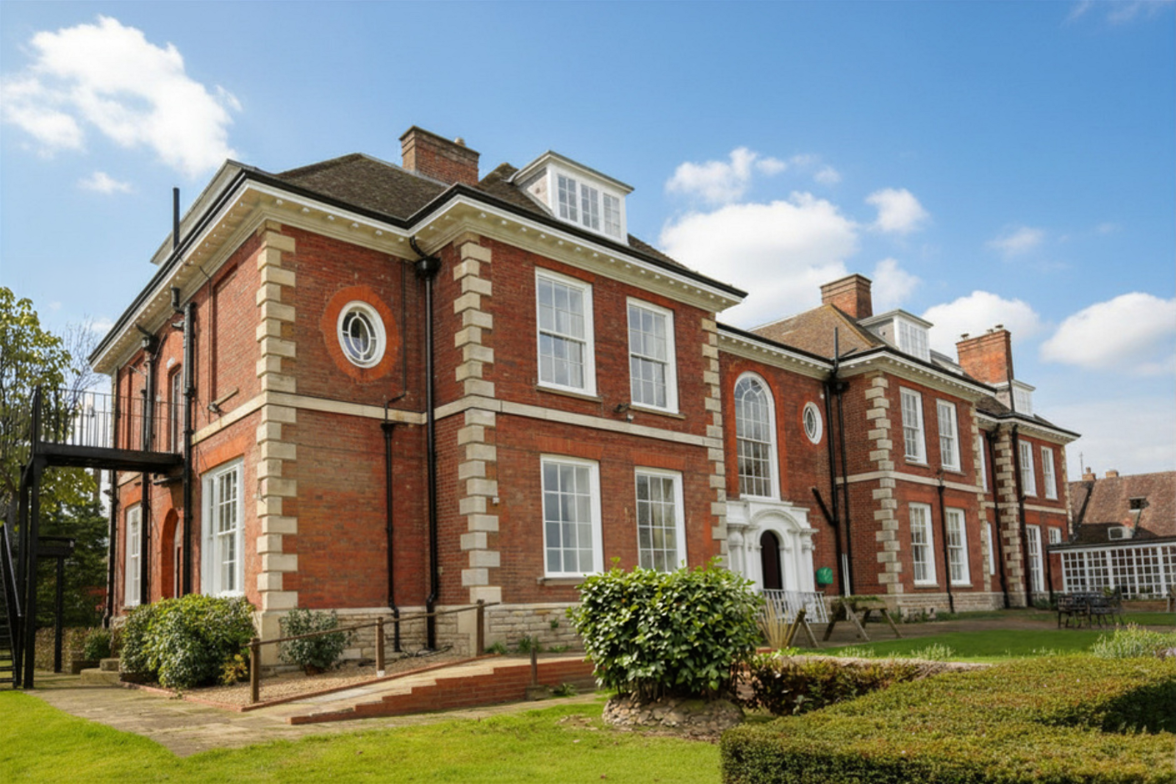
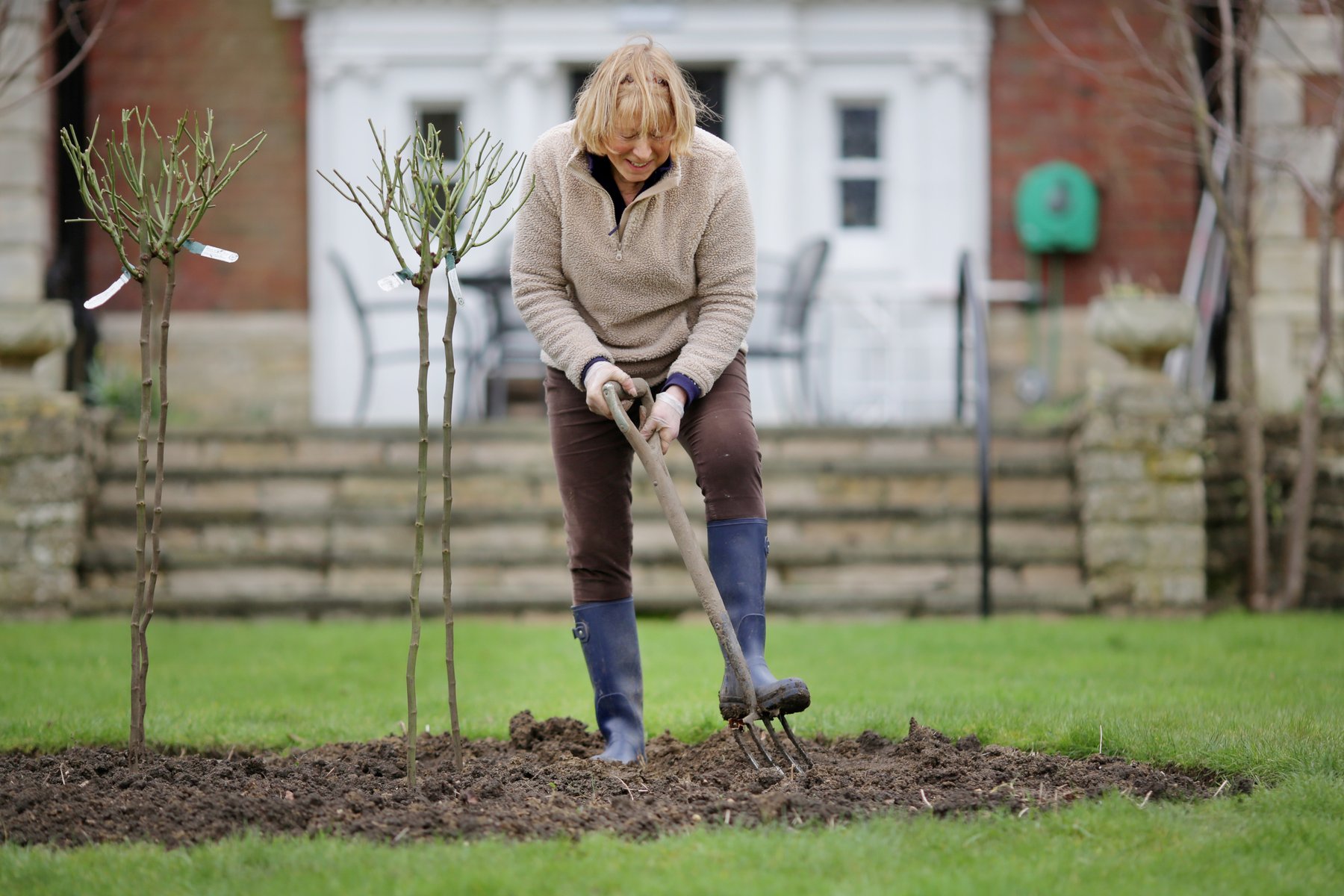
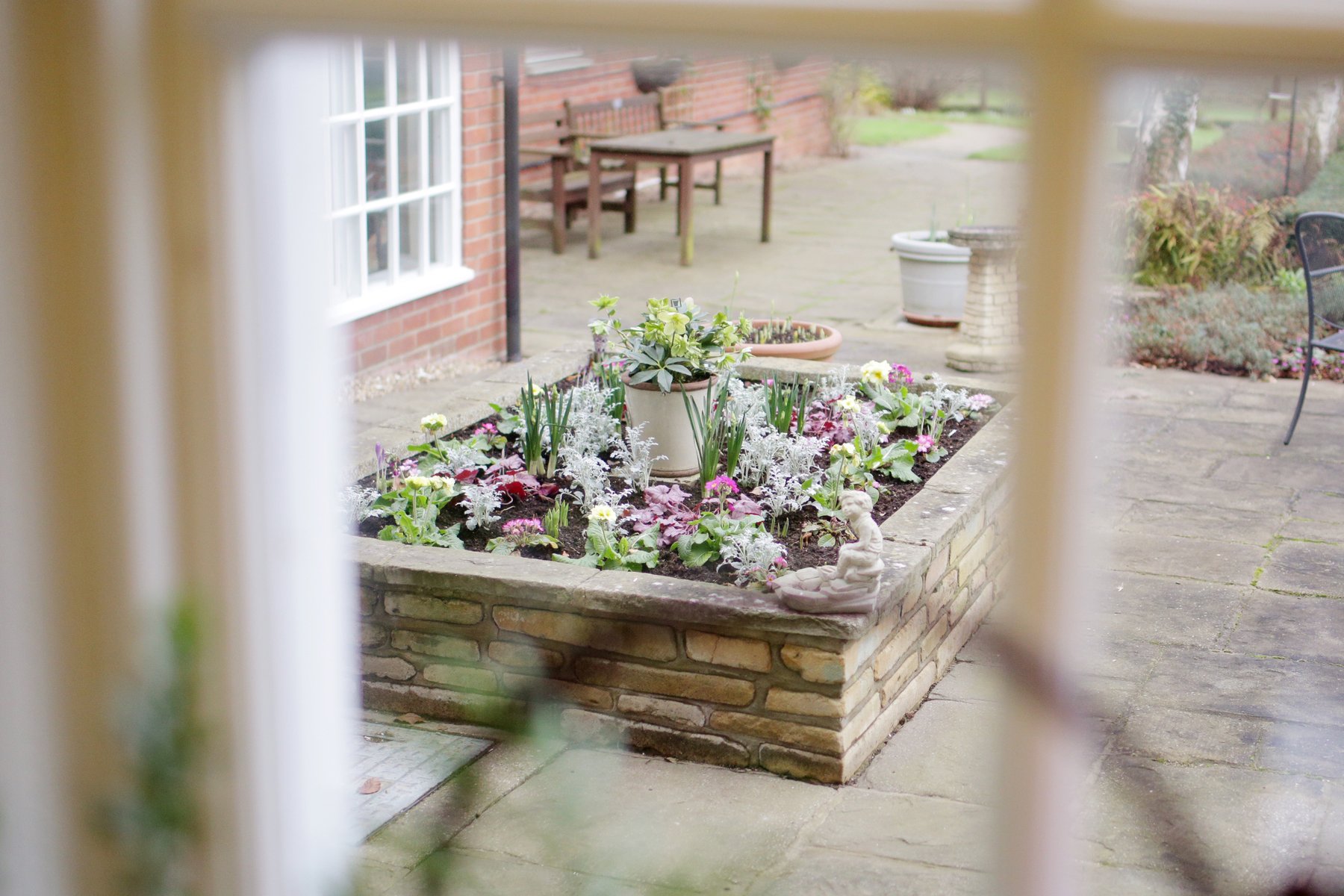
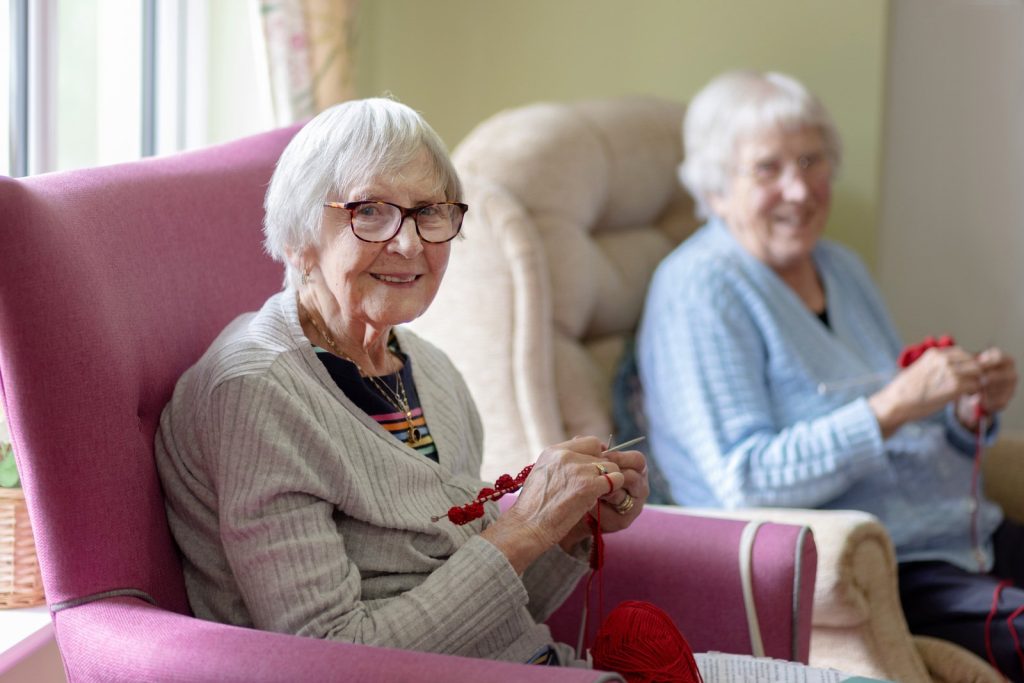
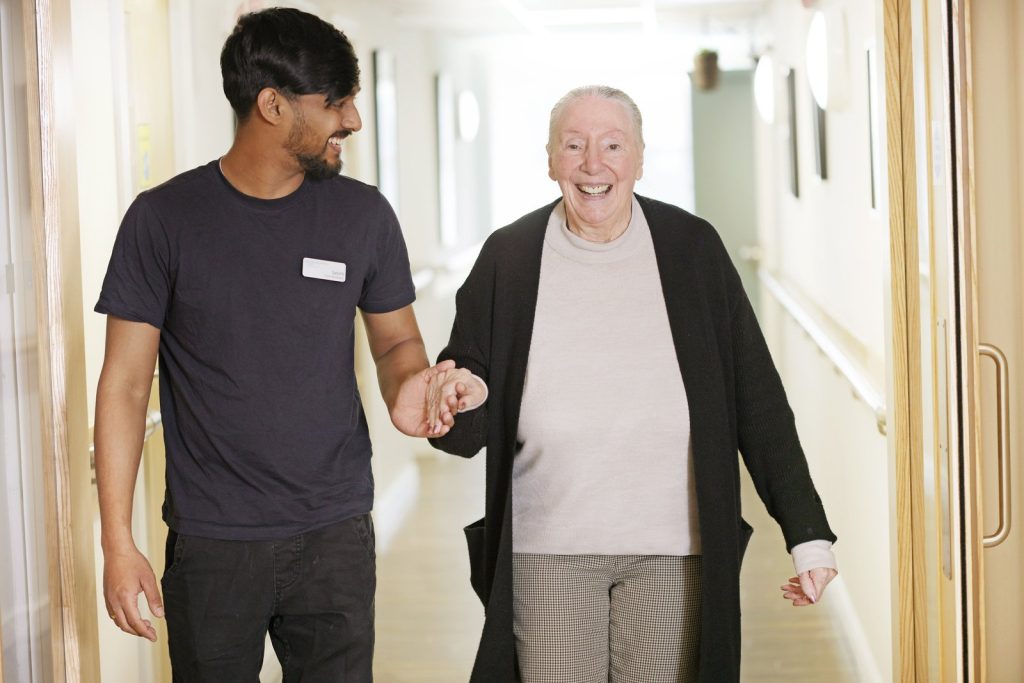
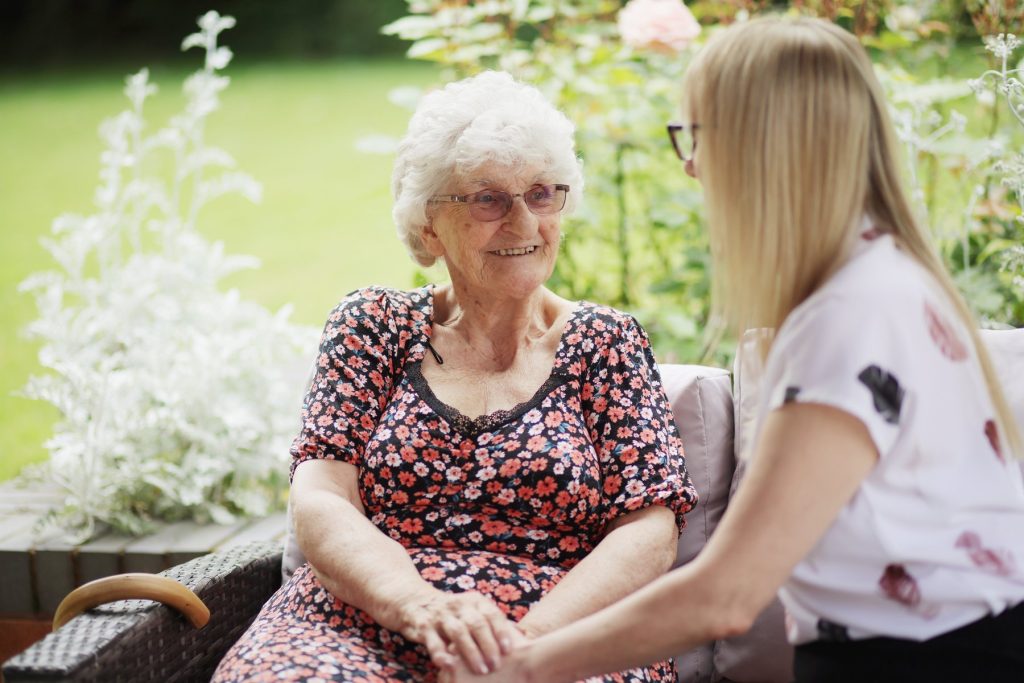
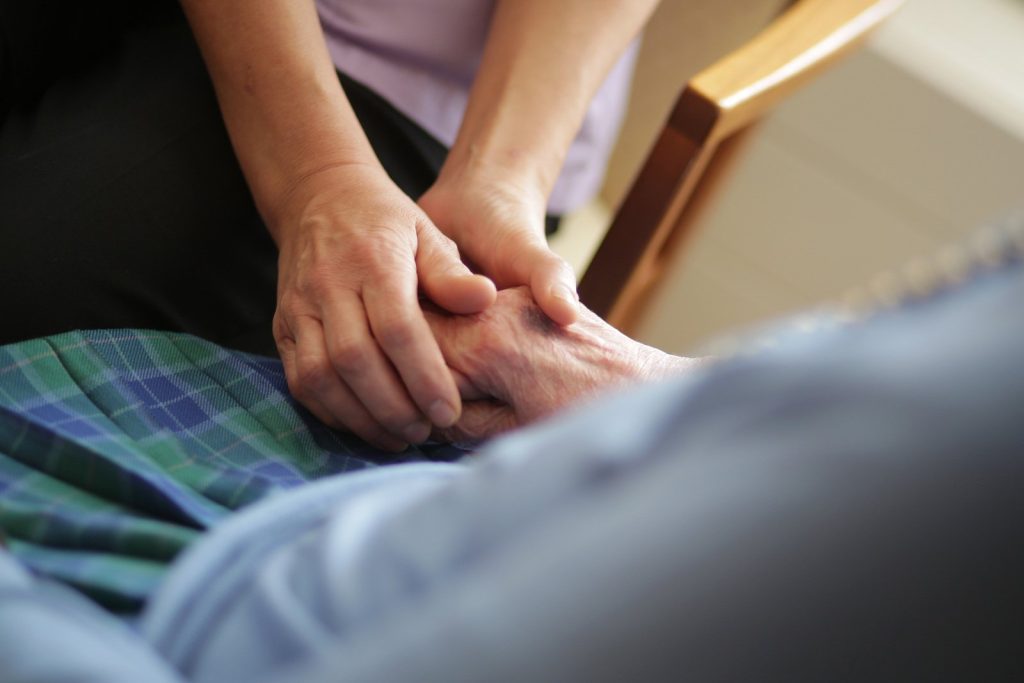
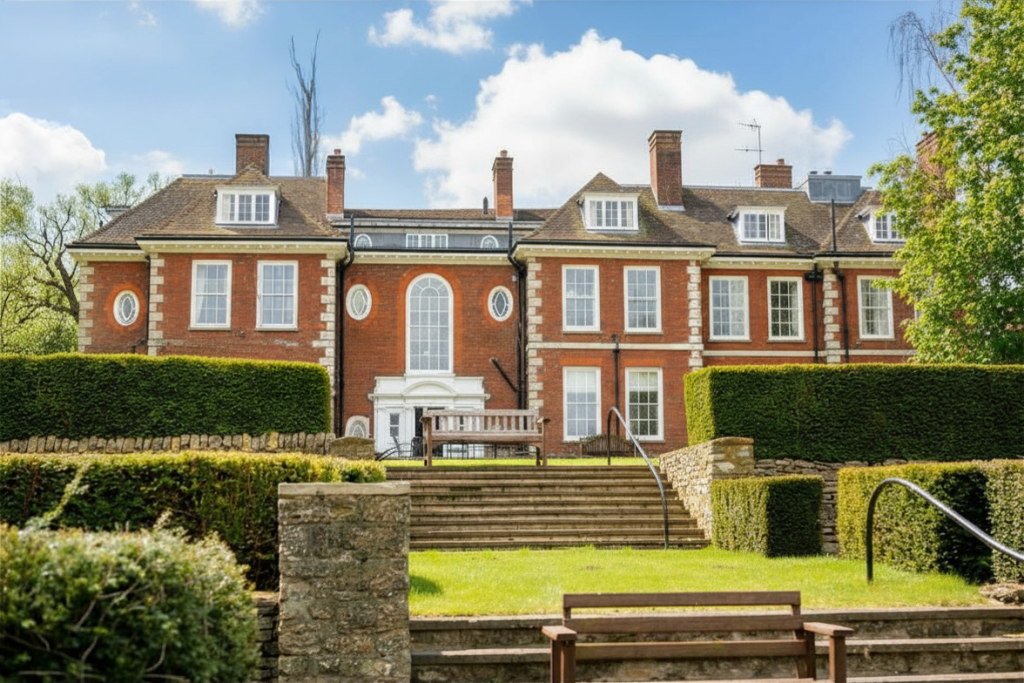
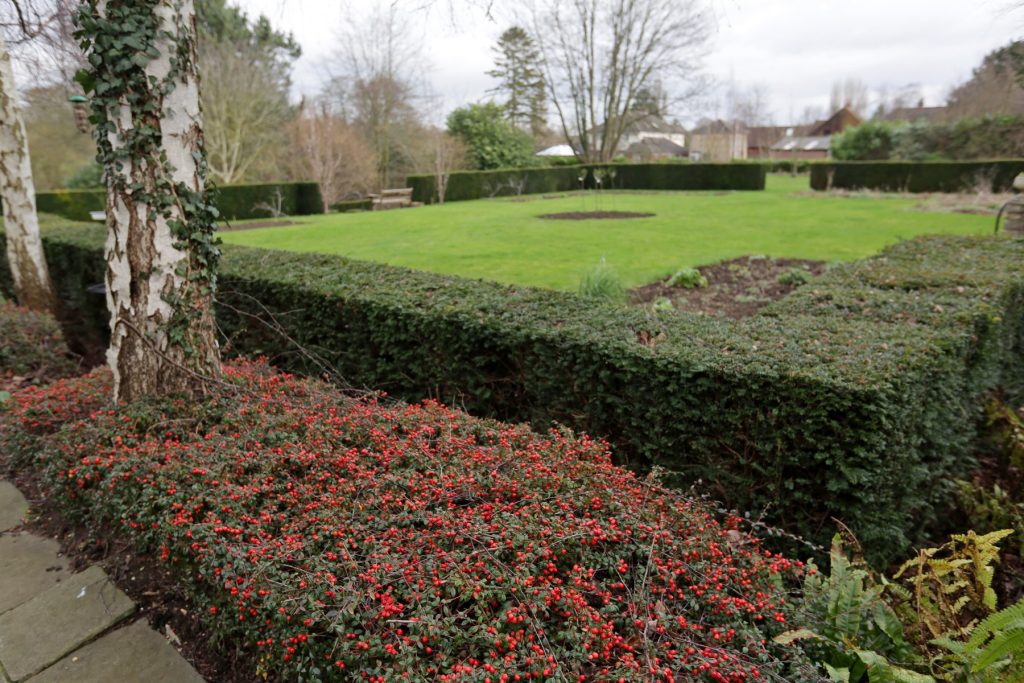
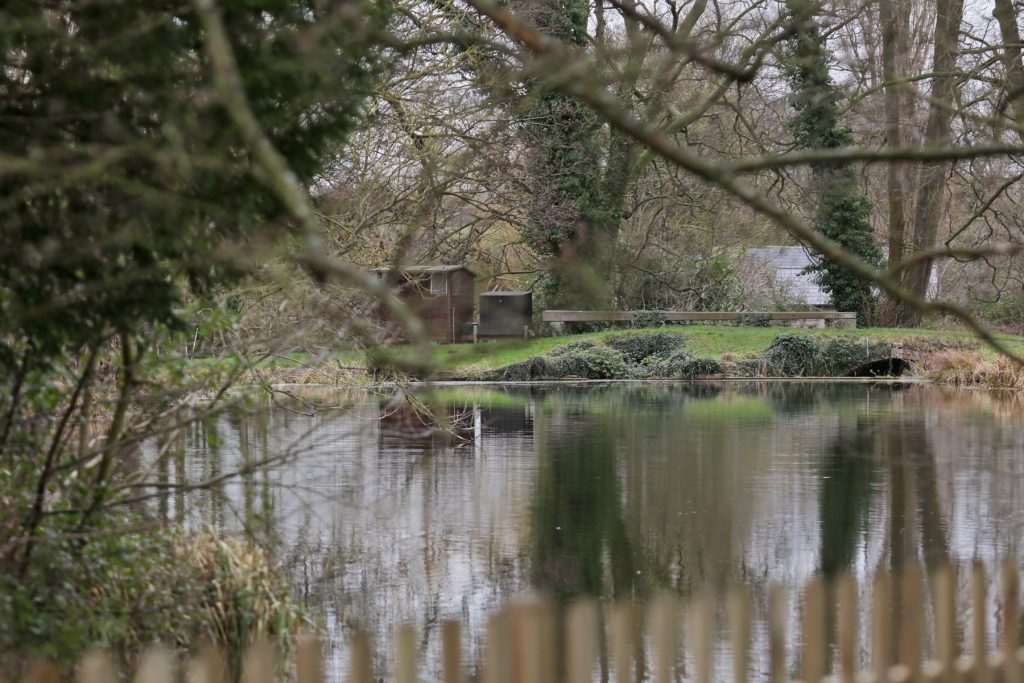
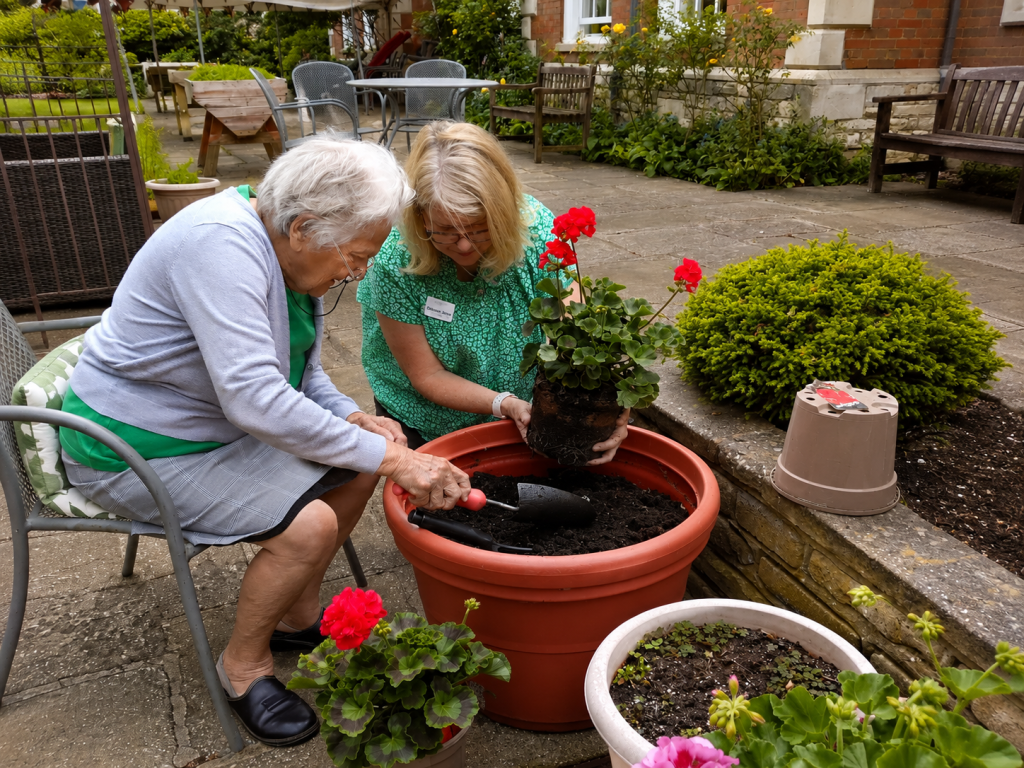
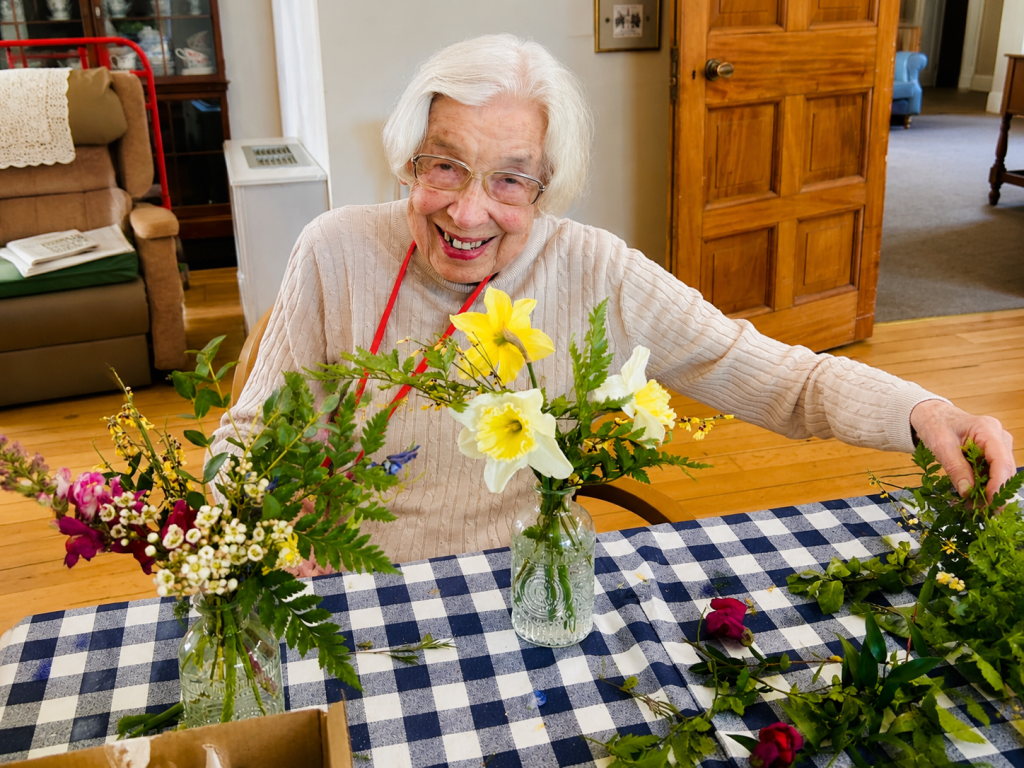
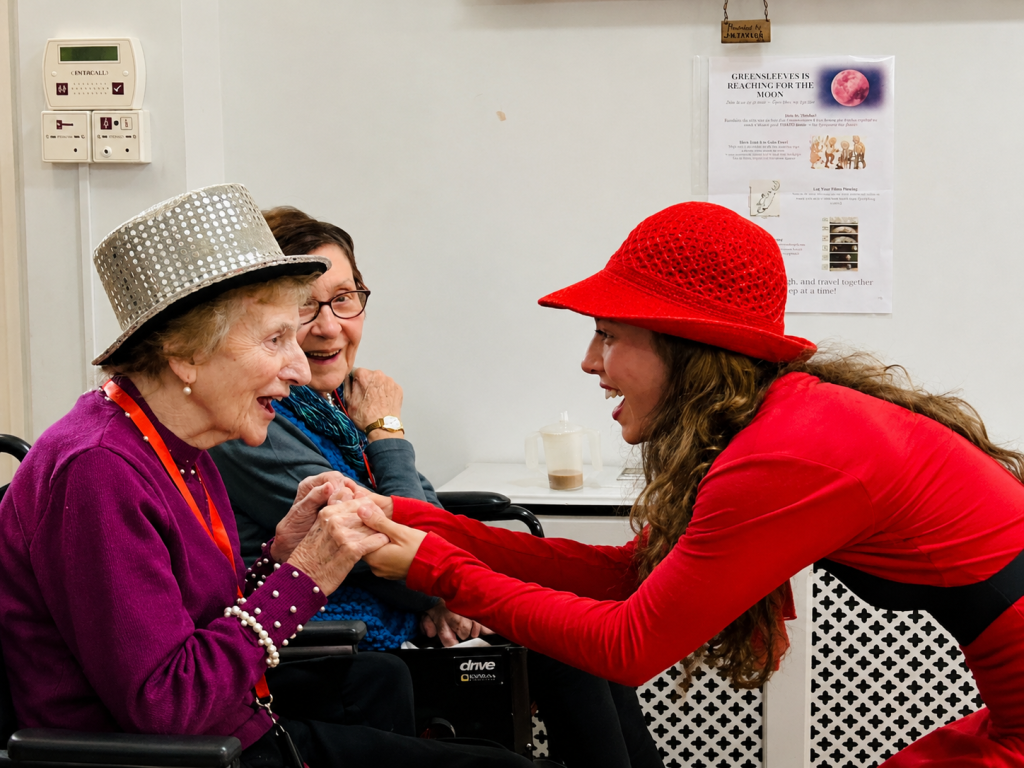
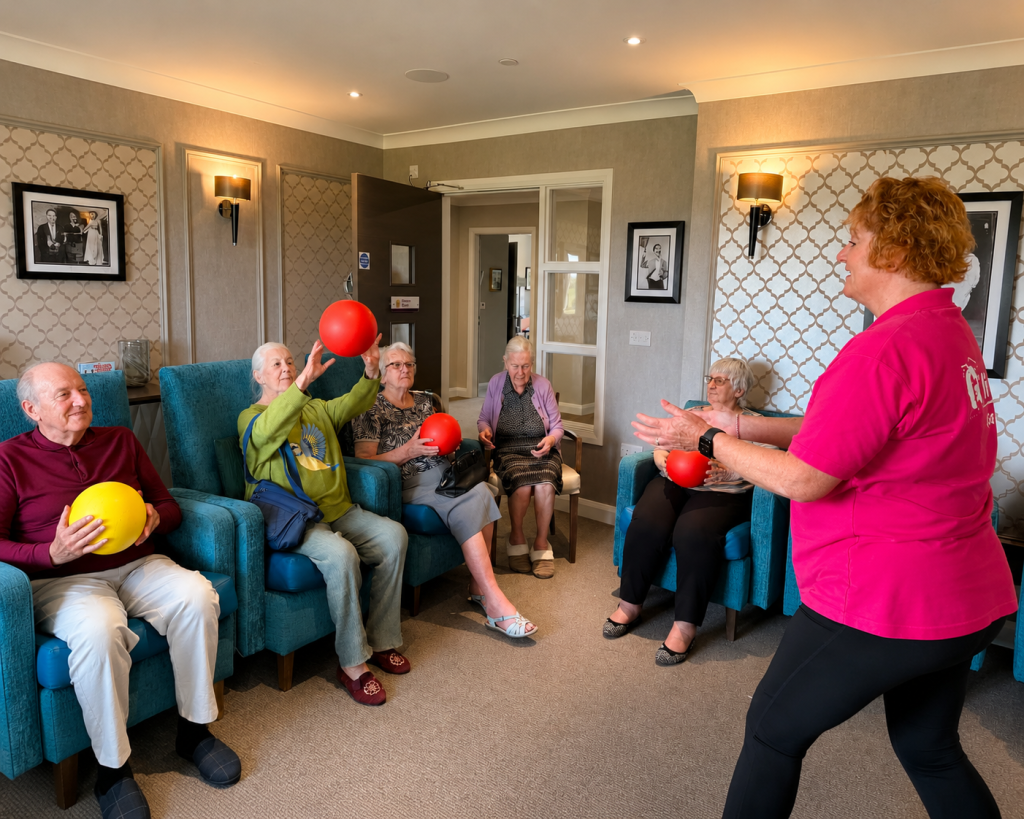
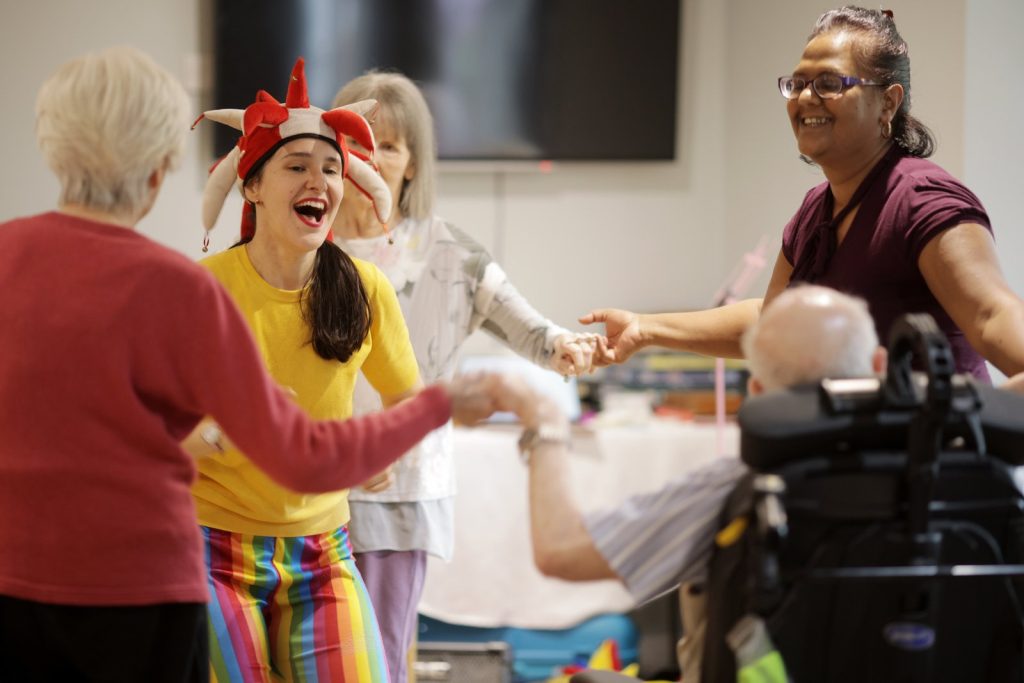
At Sharnbrook House, we provide residential care, dementia care, respite care, and end-of-life care in a warm, homely setting in the village of Sharnbrook, Bedfordshire. As a care home in Sharnbrook, we offer a village setting with easy links to Bedford, Rushden and the surrounding area. A leading local home, we sit on the village High Street, between Bedford and Rushden, surrounded by beautiful gardens and terraces.
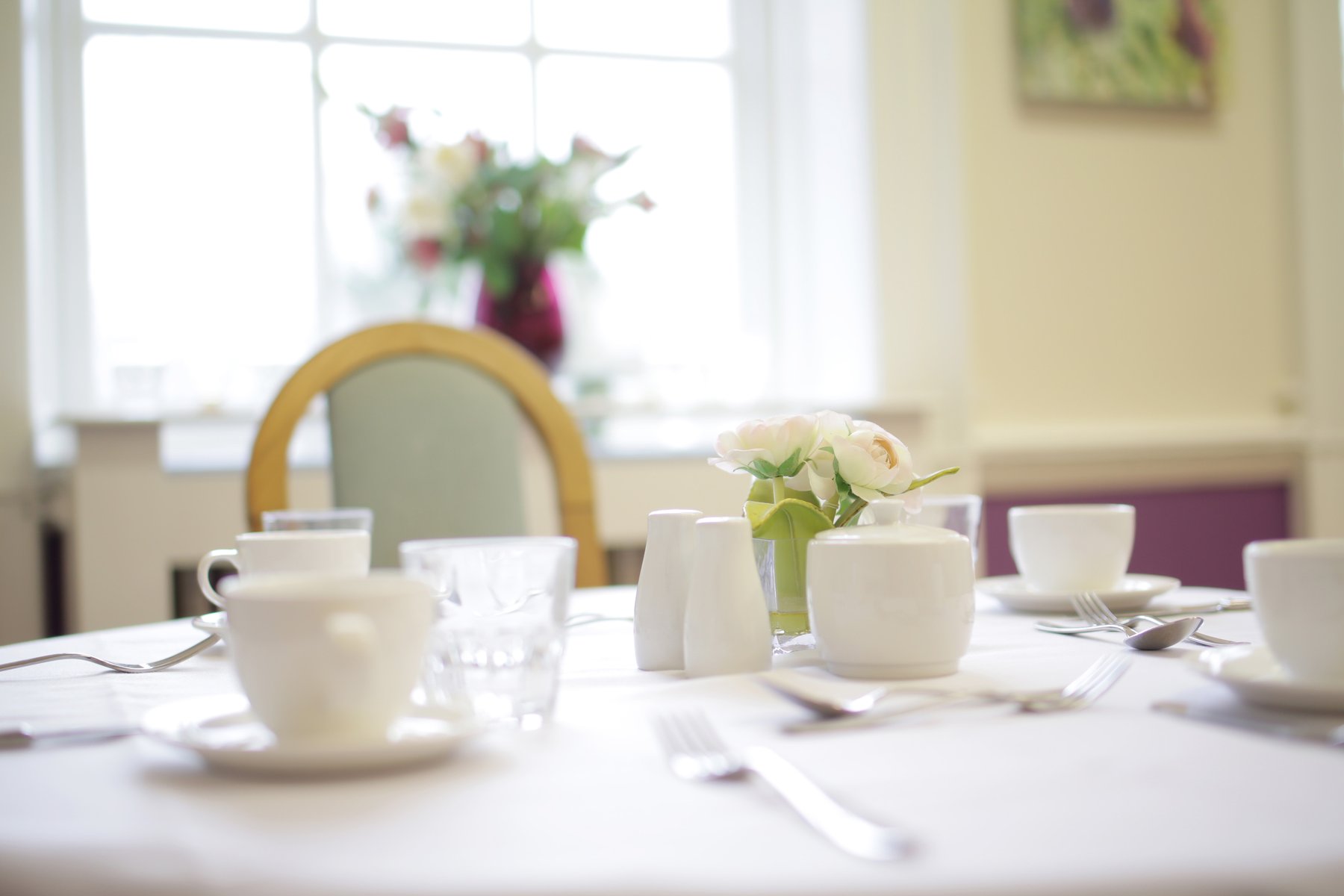
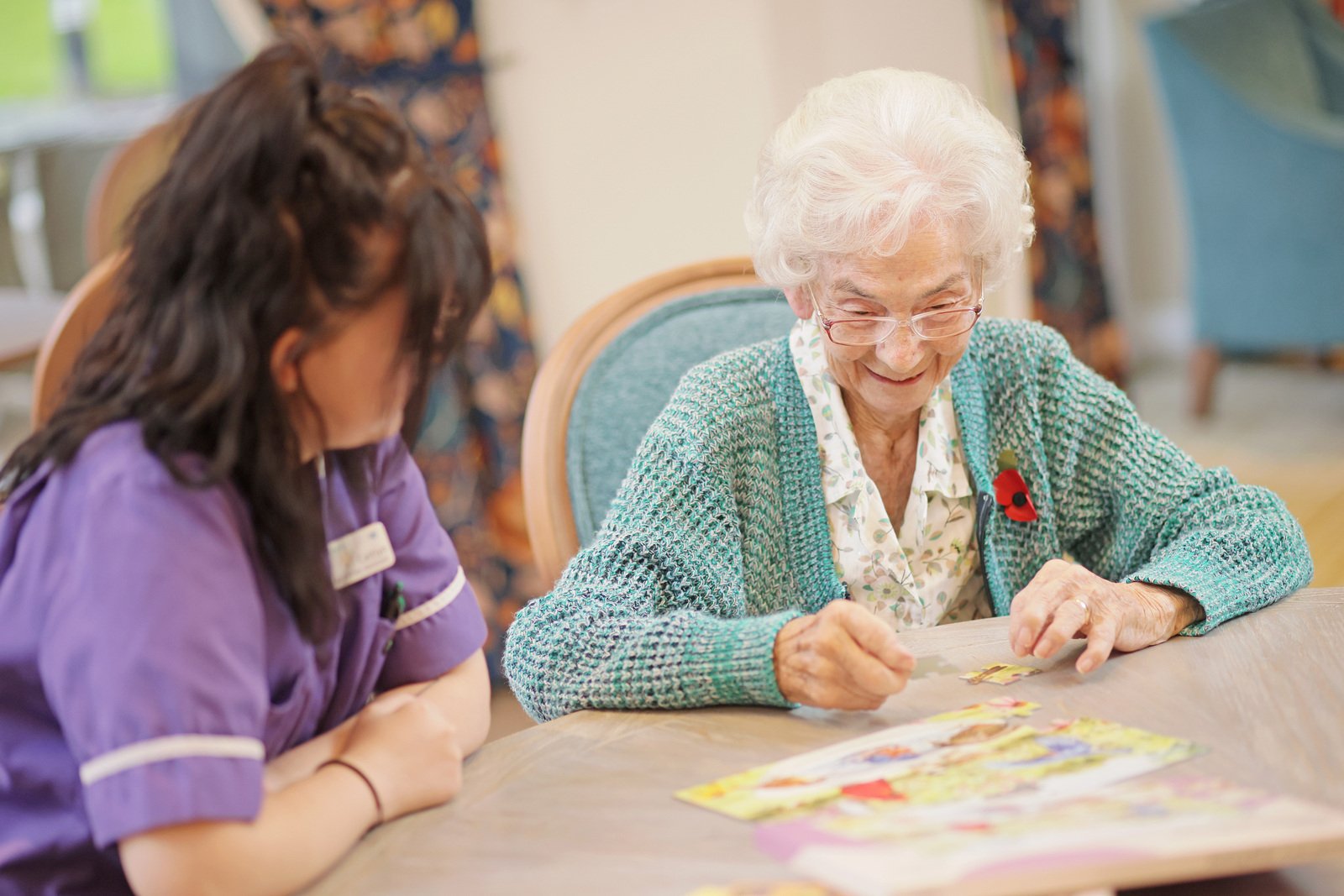
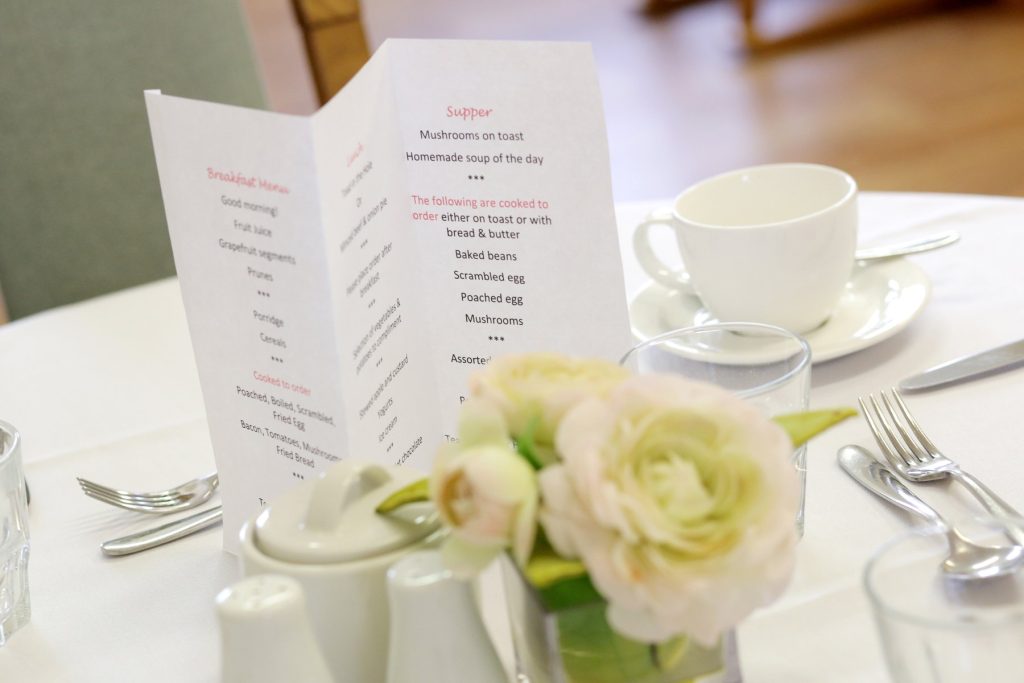
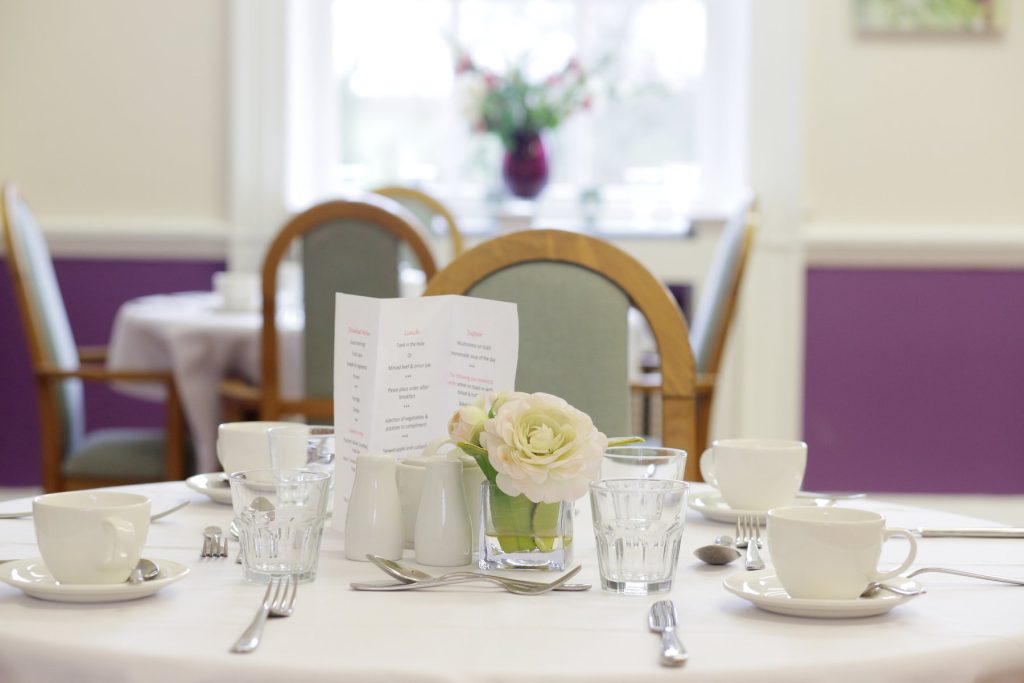
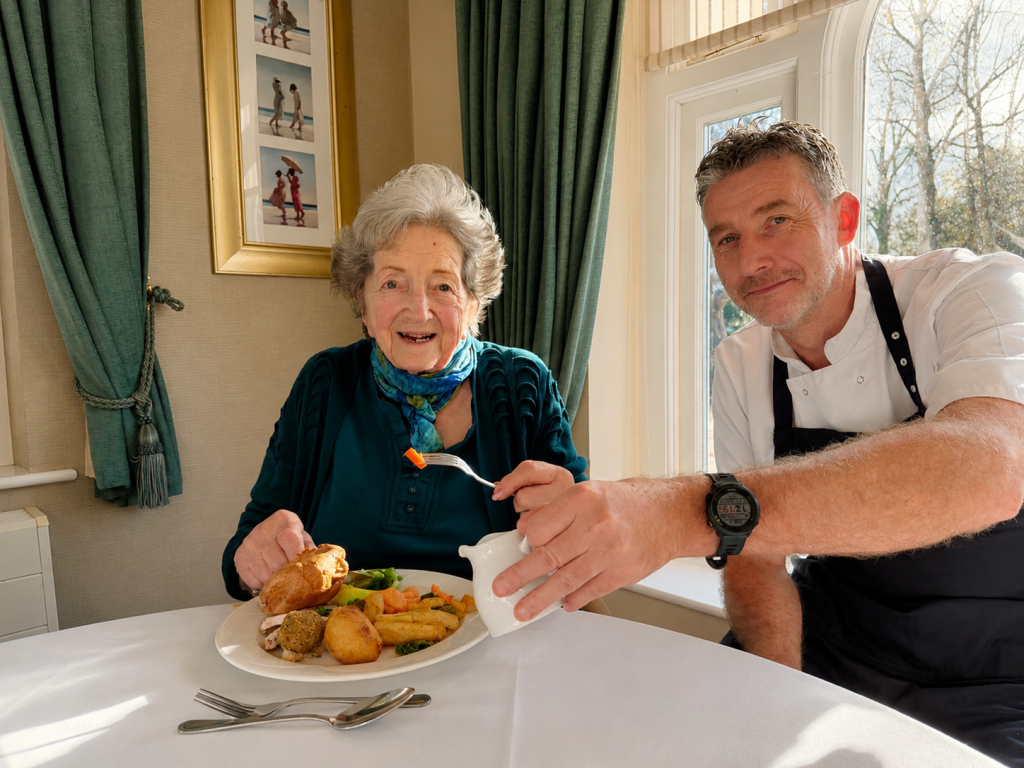
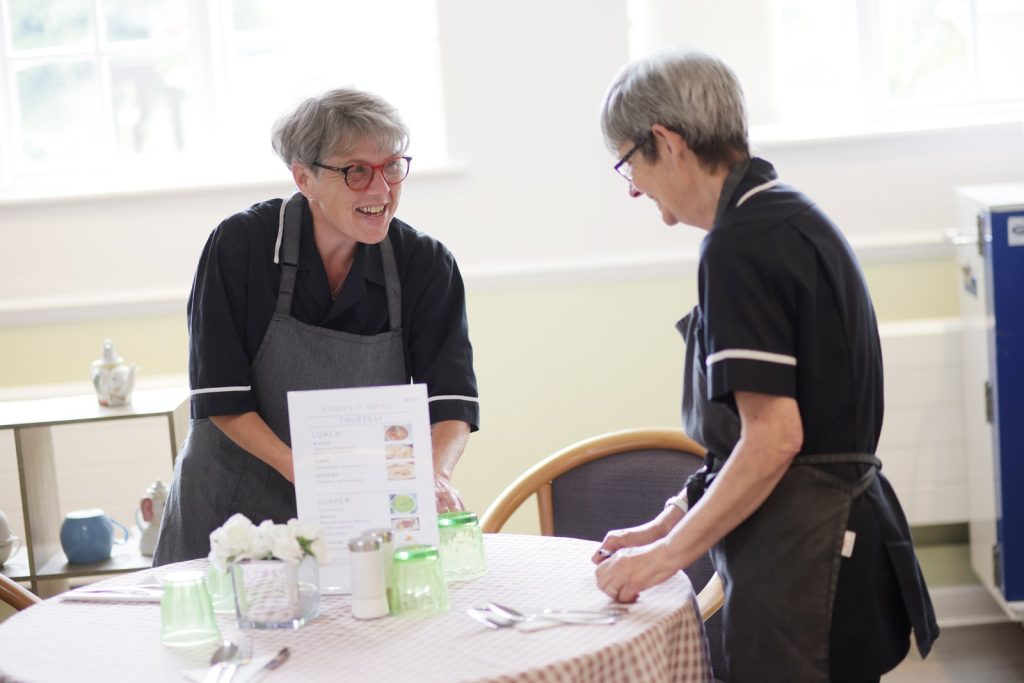
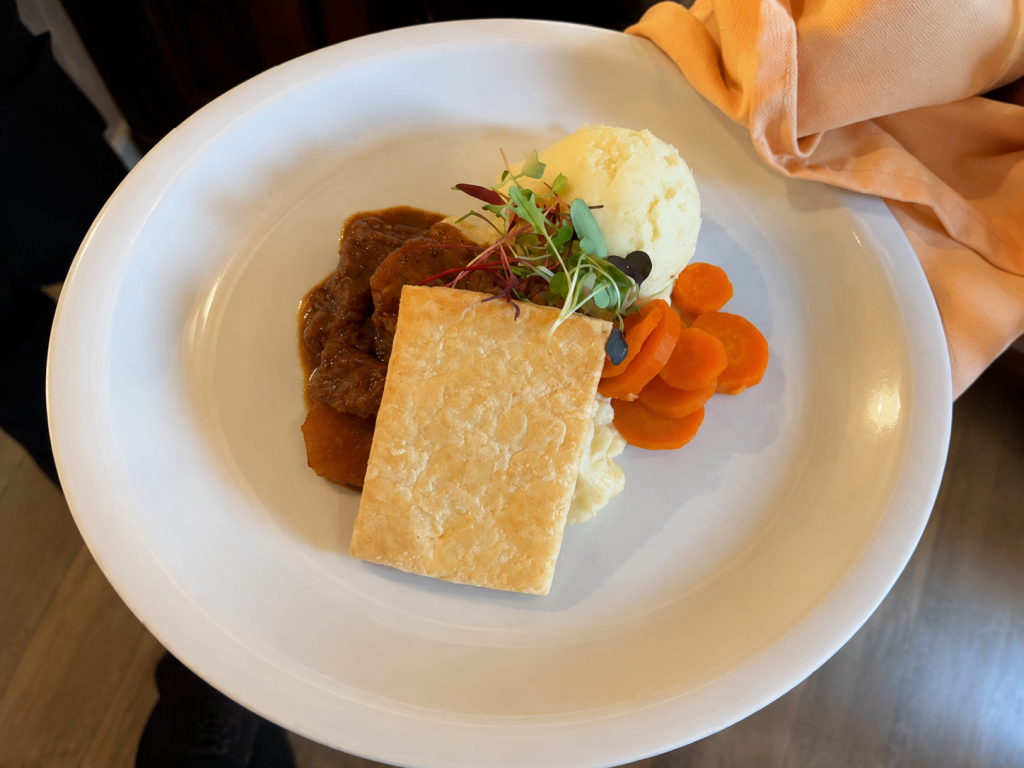
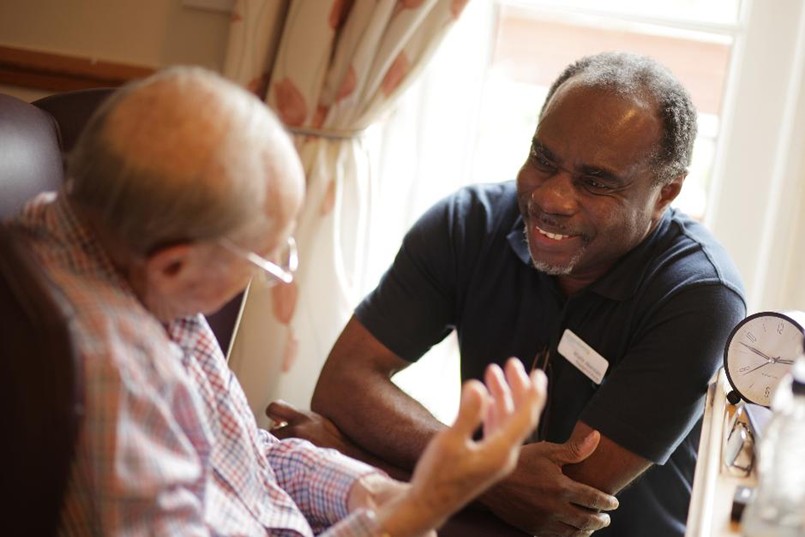
Rated Good by the CQC, our award-winning care is shaped around each resident’s routines, preferences, and choices. We provide support through both short and permanent stays and our team is on duty day and night, with ongoing training to help us respond to changing needs. Meals are freshly prepared by our chefs, with menus shaped by residents’ ideas, personal tastes, and dietary requirements.
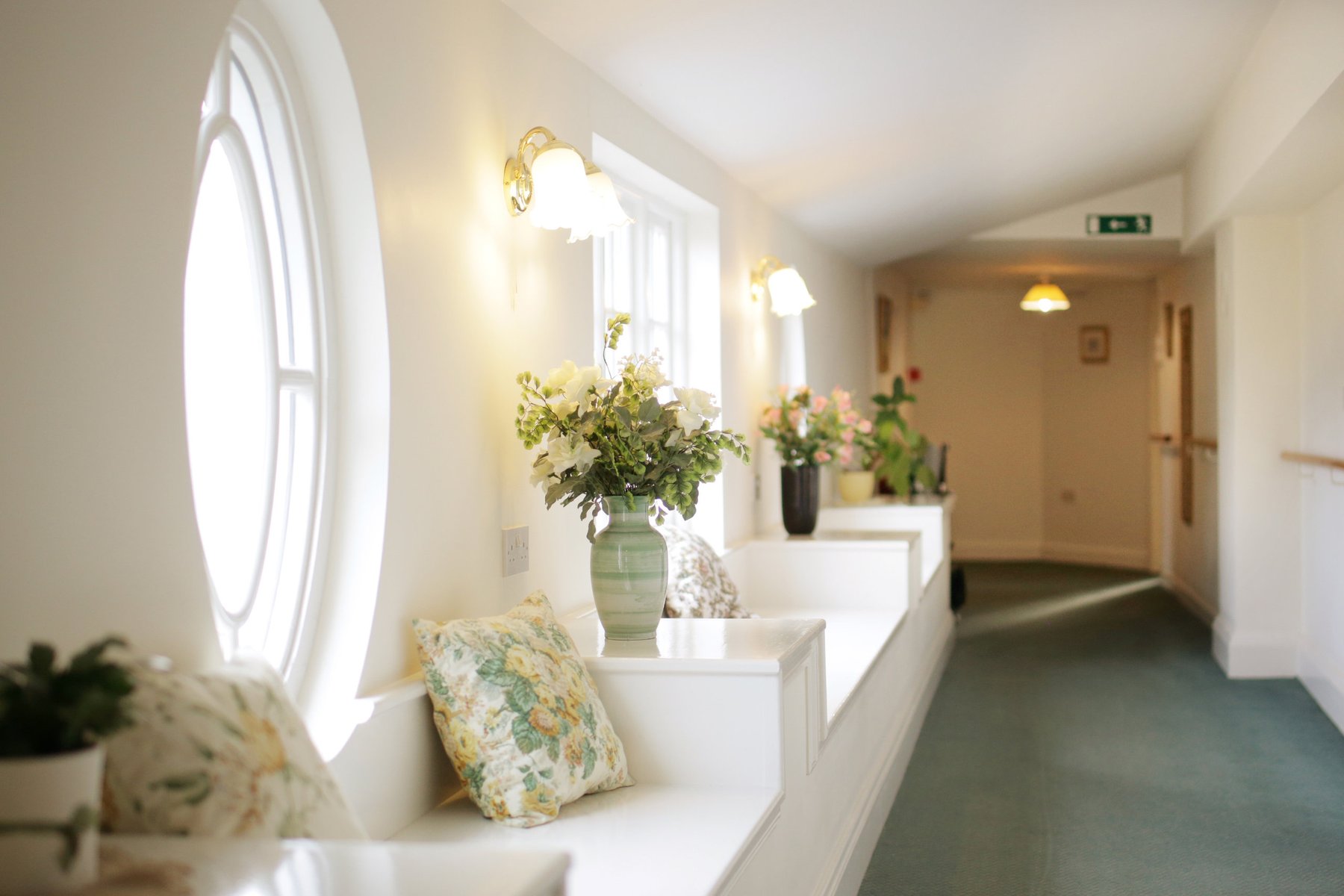
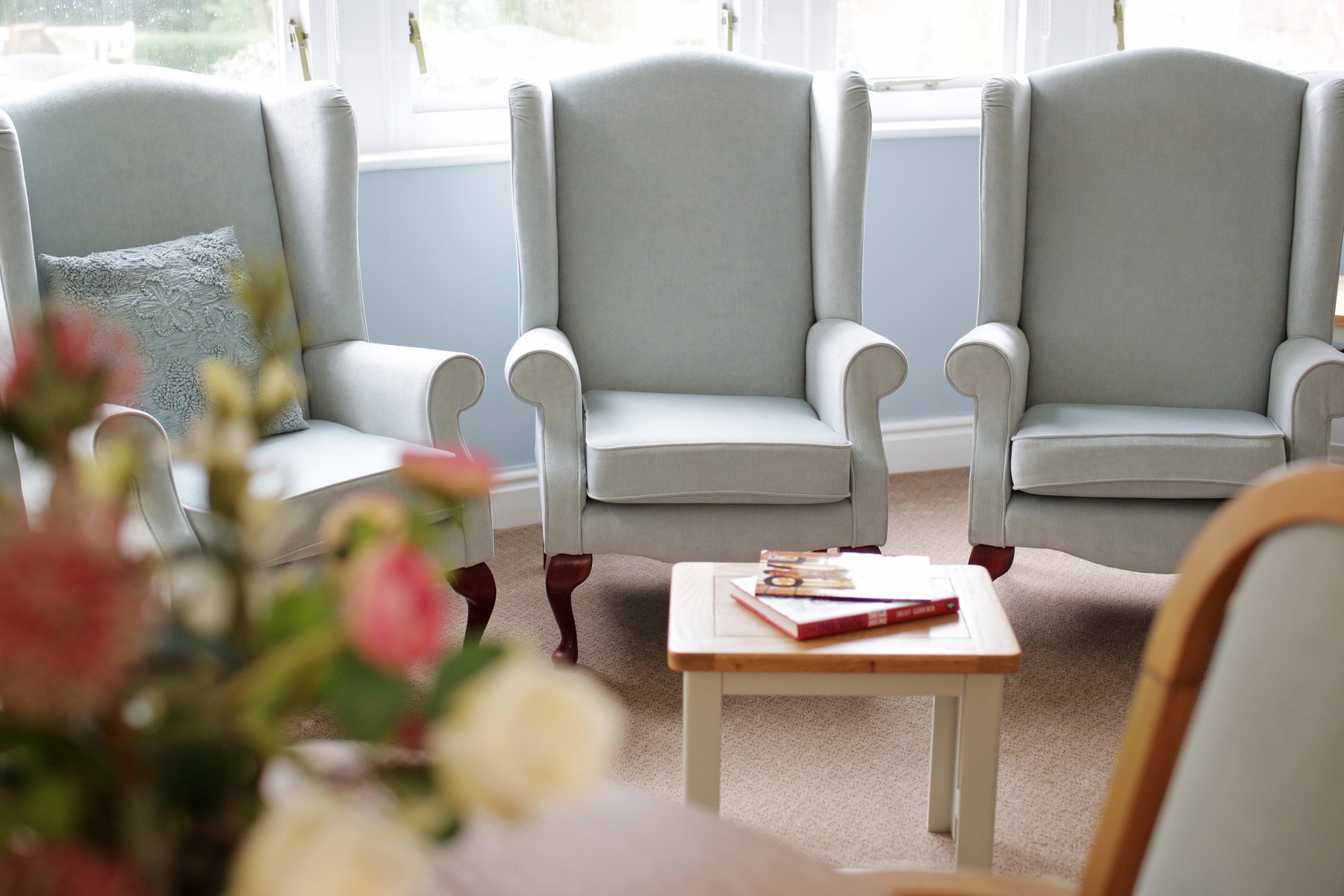
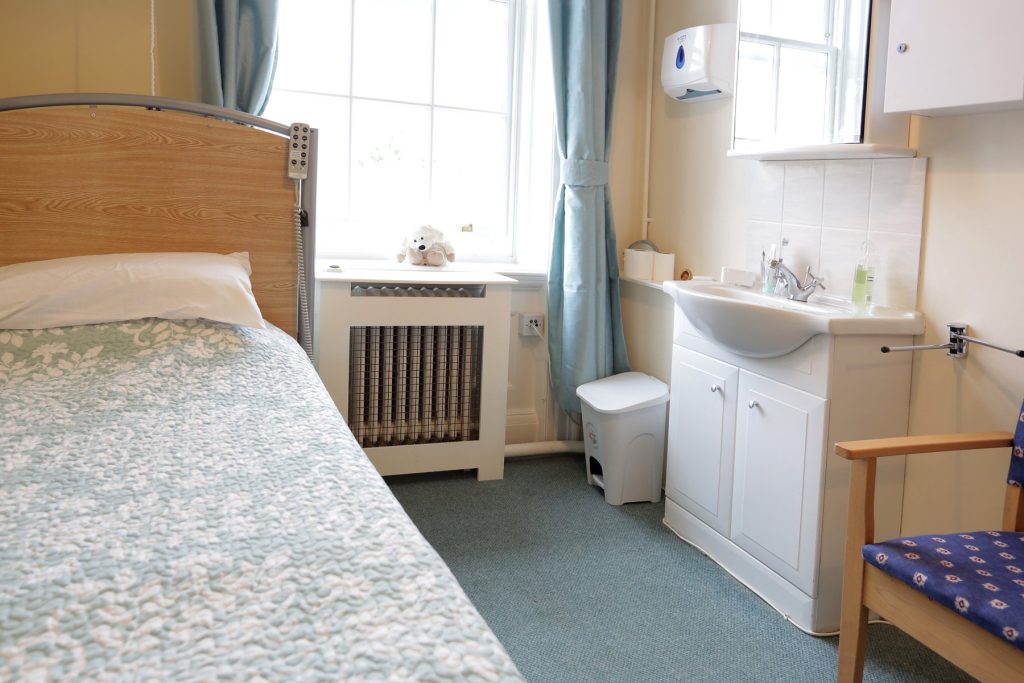
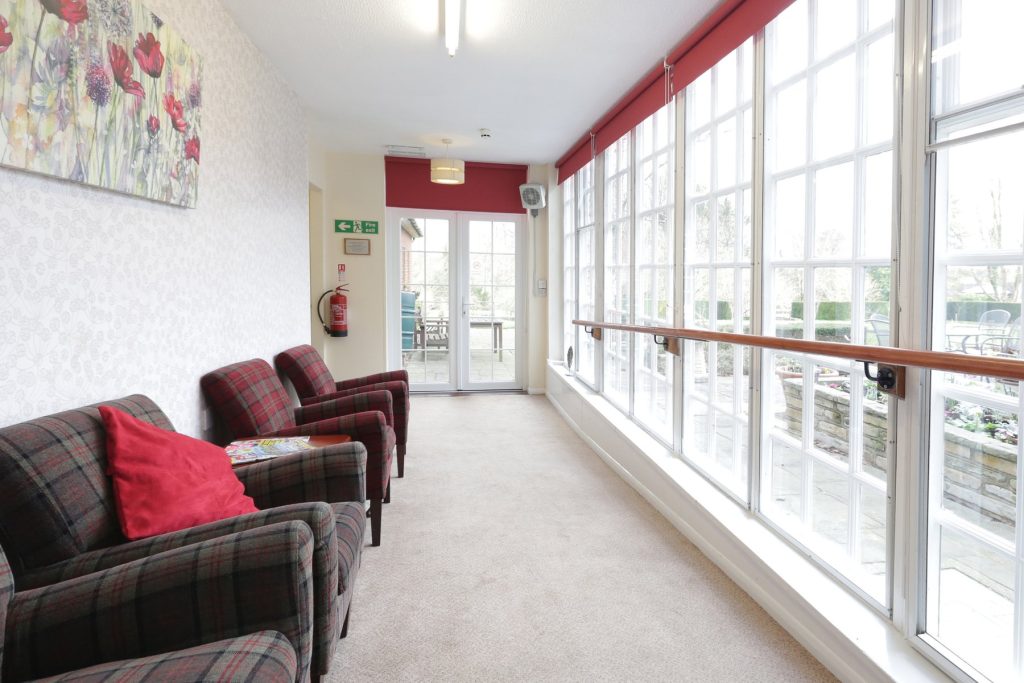
A small home where personalised care is the norm, Sharnbrook House has 30 bedrooms set across three floors, with lift access. We offer a ‘home for home’ environment, traditionally decorated for maximum comfort. We have close links to local shops and public transport, and enjoy strong ties with the village, helping residents stay connected. As part of leading charity Greensleeves Care, our focus stays firmly on residents and care rather than profits. And with assurances like our Home for Life commitment and flexible trials, our approach helps families make more confident decisions around care.